In 2020, the world stopped. Cities locked down, curfews fell, schools closed, shelves emptied, and masks became a way of life. But out here — in the remote, car-free bays of the Chocó — almost none of that reached daily life.
- No lockdowns that anyone felt — there were no crowds to escape in the first place.
- No curfews shaping the day, no traffic, no closed-up city around you.
- Children kept learning, playing, and growing in the open air.
- Only a few people bothered with masks.
- If you needed something from the village shop, you walked in and got it.
That isn’t luck. It’s geography and design. A roadless, low-density coast — reached only by boat, with neighbors spaced far apart — is naturally insulated from the panic, the shortages, and the enforcement that grip dense cities. When the world’s supply chains wobbled, the bay barely noticed: the water comes from the mountains, the food grows in the yard and swims off the shore, and the community already lived close to the land.
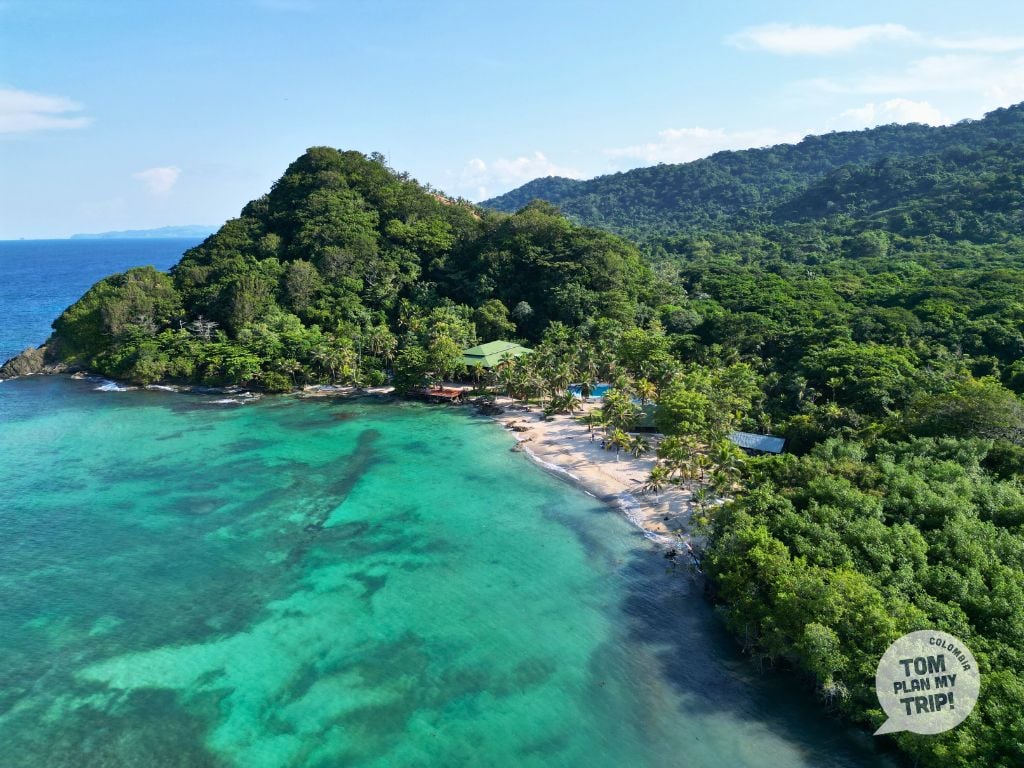
Resilience by designResiliencia por diseño
Modern life is fragile in ways most people only notice when something breaks. Here, the essentials don’t depend on a fragile chain:
- Water — mineral-rich spring water straight from the mountains.
- Food — fruit trees in the yard, fish off the shore, no grocery run required.
- Power & connection — sun, and Starlink when you want the outside world; off when you don’t.
- Community — friendly, like-minded neighbors, close enough to count on, far enough for true privacy.
A home here isn’t about hiding from the world. It’s about having a place to stand when the world gets loud — a safety net of clean air, clean water, real food, and real distance that no headline can take away.
Build your family’s safe harbor
Secure a home or lot in Bahía El Aguacate — and be ready, whatever the world does next.
For tours, rentals, or property details: